China Top 10 PCB Manufacturing Companies for Global Buyers?
China’s PCB sector has become a critical production base for smartphones, vehicles, servers, and industrial equipment. Global buyers now evaluate more than factory size. They examine engineering depth, process control, delivery consistency, and evidence of compliance.
The market remains substantial. Fortune Business Insights valued the global PCB market at approximately US$81.74 billion in 2023, with continued growth expected through 2032. Prismark’s industry analysis also identifies Asia as the dominant regional manufacturing hub. These findings explain why China-based suppliers receive sustained attention from international procurement teams.
Performance matters more than publicity.
This guide examines ten influential companies involved in China’s pcb manufacturing landscape. The comparison considers product capability, manufacturing scale, certification coverage, export experience, and suitability for different applications. Relevant benchmarks include IPC standards, ISO 9001 quality systems, IATF 16949 automotive requirements, and UL recognition. However, no universal ranking can represent every buyer’s priorities. A supplier leading in high-density interconnect boards may not be ideal for low-volume prototypes or harsh-environment products.
That distinction is important. Based on practical sourcing experience, factory audits, technical reviews, and published company information, this list aims to support a clearer first screening process. Readers should still verify current capacity, material availability, test coverage, and customer references directly. Company data changes quickly. Some public figures may also reflect group-level operations rather than one production site.
The strongest choice is rarely the most famous name. It is the supplier that matches your design, risk profile, and delivery expectations.

China’s PCB Manufacturing Industry: Scope, Types, and Global Role
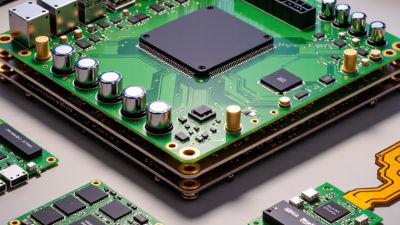
China’s PCB manufacturing industry covers rigid, flexible, rigid-flex, HDI, and IC substrate boards. These products support automotive electronics, telecommunications, industrial controls, medical devices, and consumer equipment. According to Prismark’s 2024 PCB Industry Report, China represented roughly half of global PCB production value in recent years. This scale reflects dense material supply, engineering capacity, and high-volume manufacturing experience.
The country’s role is broader than low-cost production. Many factories now offer laser drilling, fine-line fabrication, impedance control, and automated optical inspection. IPC market studies also show that Asian manufacturers remain central to global electronics supply chains. Yet capability differs widely between suppliers. A prototype specialist may not manage stable mass production. A large factory may also provide less flexibility for small orders. This is where buyers need to think carefully.
Tips: Ask for IPC class, layer-stack drawings, test coverage, traceability records, and recent quality data. Confirm whether certificates apply to the actual production site. Request sample panels before approving volume orders. Pay attention to copper thickness, hole-wall quality, solder-mask alignment, and shipment packaging. Environmental compliance should be checked against the destination market’s requirements. The industry is advanced, but not perfectly uniform. A polished website cannot replace process evidence, factory audits, and measurable inspection results.
China’s Role in the Global PCB Manufacturing Industry
China remains the largest PCB manufacturing base worldwide, representing an estimated 53% of global PCB production value in 2023. Other major production centers include Taiwan, Japan, South Korea, and other Asian economies.
Data: Rounded 2023 industry estimates based on publicly reported global PCB production statistics.
How to Evaluate Chinese PCB Manufacturers for International Procurement
Selecting a Chinese PCB manufacturer requires more than comparing unit prices. Start with production evidence, not polished websites. Request facility photos, process flow charts, and recent quality records. Confirm whether the factory controls drilling, plating, solder mask, and final inspection internally. Outsourcing can add delays and weaken traceability.
Ask for relevant certifications, material declarations, and test reports. Verify their quality system through an independent audit or a live video inspection. For multilayer boards, review stack-up control, impedance testing, copper thickness, and microsection results. A reliable supplier should explain these details clearly, without hiding behind technical language. Request a small pilot order before approving volume production. Examine hole walls, solderability, surface finish, and packaging after delivery.
Communication also matters during international procurement. Test how quickly the supplier answers engineering questions. Send identical Gerber files to several candidates and compare their design-for-manufacturing feedback. Useful comments may cover narrow traces, insufficient spacing, or thermal relief settings. Ask how they handle nonconforming boards, corrective actions, and replacement timelines. Written agreements should define inspection standards, delivery terms, payment stages, and document ownership.
Price remains important, but the lowest quote may conceal higher total costs. Freight, retesting, scrap, and delayed assembly can change the calculation. No evaluation is perfect. My own early screening once relied too heavily on sample quality. Production consistency deserved more attention. A stronger review connects factory capability, verified records, engineering support, and long-term communication.
Top 10 Chinese PCB Companies: Capabilities, Markets, and Strengths
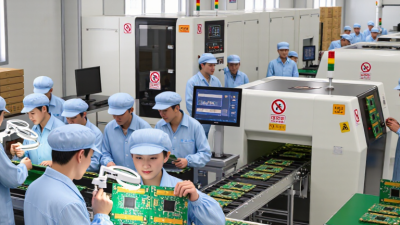
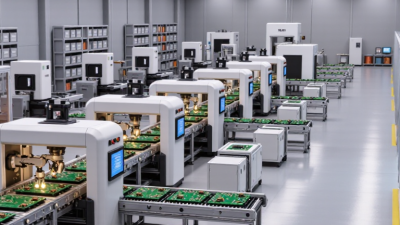
China’s top ten PCB manufacturers serve global buyers through different production strengths. Some focus on multilayer boards, while others specialize in flexible, rigid-flex, or high-density interconnect designs. Their factories commonly support surface-mount assembly, impedance control, laser drilling, and automated optical inspection. These capabilities matter when a board must fit inside a compact controller or survive repeated vibration.
Their main markets include automotive electronics, telecommunications, industrial equipment, medical instruments, and consumer devices. Automotive projects often require traceability, stable process control, and testing across temperature changes. Industrial customers may value heavy copper, long service life, and engineering support more than rapid delivery. Medical applications demand careful documentation and consistent quality, even for small production batches. The strongest suppliers can move from prototype quantities to mass production without changing basic inspection standards.
A practical buyer should compare more than quoted prices.
Review sample reports, layer registration data, material certificates, and defect handling procedures. Factory visits or live video audits can reveal storage conditions and line discipline. Many manufacturers hold internationally recognized quality certifications, but certification alone proves little. Ask how they control moisture, verify drilled holes, and manage engineering changes. No supplier is perfect. Communication can still weaken when specifications cross languages or time zones. Clear drawings, approved samples, and written acceptance criteria reduce that risk. Cost advantages are real, but they should never replace process evidence.
Comparing PCB Suppliers by Quality, Technology, Capacity, and Cost
China’s leading PCB manufacturers should be compared beyond headline prices. Prismark reported that the global PCB market reached approximately US$69 billion in 2023, despite a year-on-year contraction. This pressure makes cost control important, but cheap quotations can hide yield losses, tooling fees, and unstable lead times.
Quality begins with traceability. Buyers should request IPC-A-600 inspection records, lot-level testing, and corrective-action reports. Ask for defect rates, not vague claims.
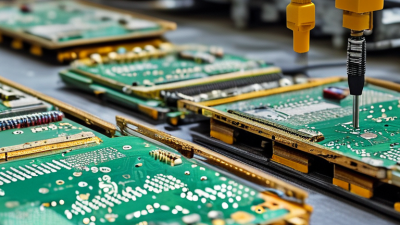
Technology matters when designs use HDI, rigid-flex structures, or low-loss materials. Confirm laser-drilling capability, impedance control, and actual production samples.
Capacity should be measured through monthly panel output, equipment redundancy, and delivery performance during peak periods. A large factory is not always a reliable factory.
Cost comparisons should include freight, taxes, engineering charges, and rework exposure. I recommend scoring suppliers across quality, technology, capacity, and total landed cost. Prismark’s market data also shows Asia remains the dominant PCB production region, supporting strong material ecosystems and scale advantages. However, scale alone cannot guarantee process discipline. IPC industry surveys continue to highlight supply-chain disruption, skilled-labor shortages, and rising input costs as practical risks. The uncomfortable part is that supplier data may be selectively presented. Buyers should verify it through audits, pilot orders, cross-section analysis, and repeated delivery checks. A perfect scorecard is unlikely. Reliability is proven over time.
Key Steps for Global Buyers to Select and Partner with a PCB Manufacturer
Global buyers should evaluate a Chinese PCB manufacturer through evidence, not attractive quotations. Prismark’s 2024 PCB market review estimated global industry sales at roughly US$90 billion in 2023, showing intense demand and capacity pressure. IPC’s 2024 industry outlook also highlighted supply-chain risks and persistent manufacturing constraints. These figures make supplier verification essential.
Request recent ISO 9001 records, process capability data, and customer-approved quality procedures. Confirm compliance with IPC-6012 and IPC-A-600 requirements for your board type. Ask for a small production sample, including impedance reports, cross-sections, solder-mask inspection, and material certificates. Samples reveal reality. Price is not proof.
A reliable partner should review Gerber files before quoting and identify drill, copper, stack-up, and assembly risks. Compare actual lead times, minimum order quantities, engineering support, and export documentation. Require lot-level traceability for laminate, copper foil, and finished boards. A polished audit report can still hide weak shop-floor control. Therefore, inspect production areas when possible, or use an independent third-party audit. Define corrective-action deadlines in the quality agreement. Recheck delivery performance quarterly, because even a capable factory may struggle after sudden volume increases.